You cannot copy content of this website, your IP is being recorded
Behavioral Health Services in Winter Park, FL

Behavioral Health Services in Winter Park, FL

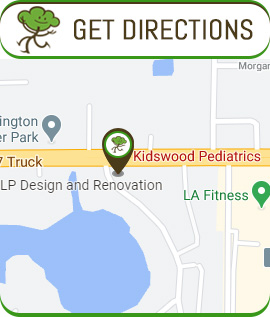
Our approach focuses on creating a supportive and nurturing environment for children where mental health concerns can be addressed with care and professionalism. Under the expertise of Dr. Zully Ambroise, MD, we offer individualized treatment plans that encompass therapy, counseling, and behavioral interventions, aiming to enhance emotional well-being and overall development. For more information, contact us or schedule an appointment online. We are located at 1680 Lee Rd, Winter Park, FL 32789.


Behavioral Health Services Near Me in Winter Park, FL

Table of Contents:

How can I determine if my child needs behavioral health services?
How long do pediatric behavioral health treatments last?
Are pediatric behavioral health services confidential?
Can my child get immediate help for a mental health crisis from Dr. Zully Ambroise, MD, at Kidswood Pediatrics?

How can I determine if my child needs behavioral health services?


Deciding if your child would benefit from behavioral health support can be difficult. Children naturally go through ups and downs, and it’s normal for them to experience moodiness or behavior changes as they grow. However, sometimes these changes may signal an underlying mental health concern that could benefit from professional attention. This guide brings together key principles and practical steps to help you assess your child’s needs.

When thinking about your child’s behavior, keep in mind the Three D’s:
Distress: Is your child or your family experiencing significant emotional pain or unhappiness?
Duration: Has the behavior lasted more than just a few days? Are you seeing a pattern that persists for weeks or months?
Disruption: Is your child’s behavior interfering with school, friendships, family life, or activities they used to enjoy?

Look for behaviors that are not typical for your child’s age or represent a significant change from their usual self. Warning signs may include:
●Emotional Changes
●Intense mood swings
●Behavioral Changes
●Aggressive, destructive, or cruel behavior
●Academic and Social Problems
●Physical Changes
●Risky or Harmful Behaviors

At Kidswood Pediatric, we help you in taking the first step that can be hard, but it’s a crucial move toward your child’s well-being. If you need more resources or help talking with your child, don’t hesitate to reach out to your pediatrician or a mental health professional.

How long do pediatric behavioral health treatments last?


At Kidswood Pediatric, this is a very common and important question for parents and caregivers. The honest answer is that there is no single timeline for pediatric behavioral health treatment—it depends on your child’s unique needs, their challenges, and their treatment goals. Think of it like physical health: Some conditions resolve quickly, while others require longer-term or ongoing support. Behavioral health is similar—some concerns improve after a few sessions, while others need months or years of help.

The duration of treatment can vary widely and depends on factors such as:
●Specific condition being treated (e.g., anxiety, depression, ADHD, trauma, autism)
●Severity of symptoms
●Type of treatment (therapy, medication, or both)
Your child’s progress
●Family involvement and support
●Co-occurring (multiple) diagnoses

While every child is different, treatments often fit into these general categories:

Short-Term Treatment (8–16 weeks)

Best for: Mild anxiety or depression, specific phobias, adjustment to life events, or targeted parent training.
What to expect: Weekly sessions focused on specific goals and skill-building, often using structured approaches like Cognitive Behavioral Therapy (CBT).

Moderate-Term Treatment (3–12 months)

Best for: Moderate depression or anxiety, ADHD challenges, family or social issues, or trauma symptoms.
What to expect: Weekly or biweekly sessions at first, possibly tapering as progress is made; combining skill-building, problem-solving, and therapeutic relationship.

Long-Term or Ongoing Treatment (6 months to years)

Best for: Complex trauma, severe or chronic conditions (e.g., OCD, autism, eating disorders, bipolar disorder), or when multiple issues are present.
What to expect: Regular therapy (weekly/biweekly), possibly combined with medication management. Focus is on ongoing support, skill development, and symptom management.

Medication Management

What to expect: If medication is used, regular follow-ups continue for months or years to monitor effectiveness and side effects. Medication may be used alone or with therapy.

Are pediatric behavioral health services confidential?


Yes, at Kidswood Pediatric, pediatric behavioral health services are confidential, but there are important exceptions and nuances because the patient is a minor. Confidentiality creates a safe space for children and teens to be open and honest, while also respecting parents’ rights and responsibilities to care for their child’s well-being.

Basic Principles of Confidentiality
Therapeutic Trust: Mental health providers protect privacy to foster trust. Most of what’s shared in therapy is kept between the provider and the patient/family.

Legal Protections: Laws like HIPAA (Health Insurance Portability and Accountability Act) safeguard health information, but special rules apply for minors.

The Role of Age and State Laws

Young Children (typically under 12-13): Parents are closely involved in therapy. Providers share general themes and strategies with parents, but may not disclose every detail of what a child says.
Adolescents (13+): Confidentiality becomes more nuanced. Teens are more likely to participate openly if they know some privacy is protected.
State Laws Matter: Many states allow minors (often 12, 14, or 16 and older) to consent to certain mental health services without parental notification. The exact age and services covered vary by state.
Open Agreements: Good providers clarify confidentiality at the beginning, often creating a “three-way agreement” among provider, parent, and teen about what will and won’t be shared.

Parental Involvement & Communication
Parents’ Role: For younger children, parents are generally more involved and informed. For teens, some information may remain confidential to build trust, but safety concerns are always shared with parents or guardians.
Open Communication: Providers encourage youth to talk with their parents and will explain confidentiality limits at the start of care.

Can my child get immediate help for a mental health crisis from Dr. Zully Ambroise, MD, at Kidswood Pediatrics?


At Kidswood Pediatrics, Dr. Zully Ambroise, MD, is NOT an emergency mental health provider. Pediatric offices are not equipped or staffed to handle urgent mental health crises. If your child is experiencing a mental health emergency (such as suicidal thoughts, self-harm, or risk of harming others):

●Call 911 immediately or go to the nearest emergency room.
●Call or text Suicide & Crisis Lifeline for 24/7 confidential support from trained counselors.

If your child is stable but needs help with mental health concerns:
●Contact Kidswood Pediatrics during business hours to discuss your concerns, get an assessment, and receive referrals for mental health specialists.
●Schedule a follow-up appointment for ongoing management and coordination of care after any crisis.
●Dr. Ambroise and her team can help with mental health screenings, ongoing care, and connecting you to appropriate specialists—but they do NOT provide emergency crisis intervention.

For more information, contact us or schedule an appointment online. We are located at 1680 Lee Rd, Winter Park, FL 32789. We serve patients from Winter Park FL, Goldenrod FL, Lockhart FL, Maitland FL, Apopka FL, Casselberry FL and Oviedo, FL.